Silhouette
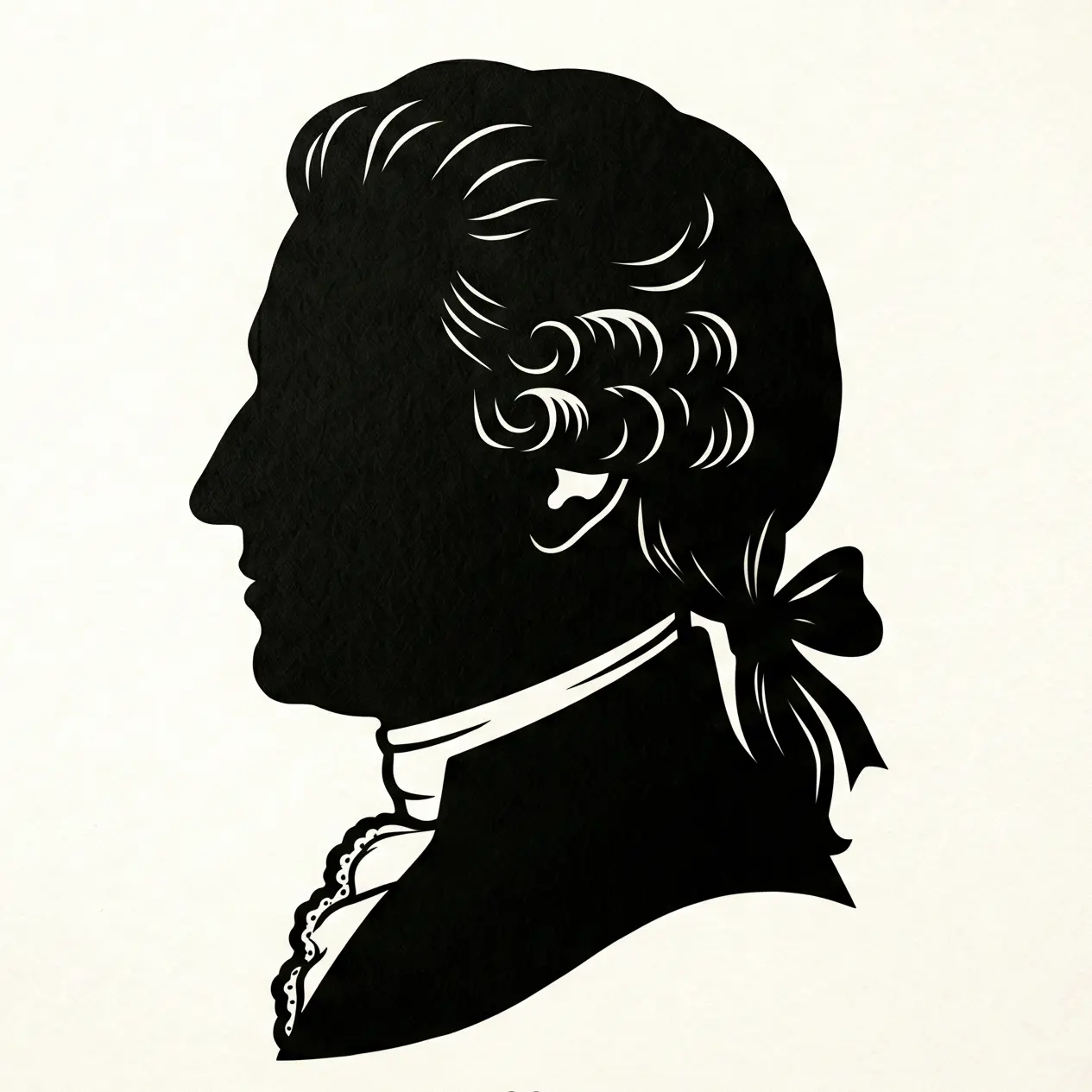
The Story: In the mid-1700s, Étienne de Silhouette was the French Minister of Finance. France was in severe debt due to the Seven Years' War, so Étienne imposed incredibly harsh, penny-pinching economic cuts on the French people, particularly the wealthy. Around this same time, a new art trend became popular:cutting cheap profiles out of black paper instead of paying for expensive oil paintings.
The Evolution: Because Étienne de Silhouette was so notoriously cheap, the French public mockingly used his last name to describe anything made cheaply or on a tight budget including these inexpensive paper shadow-portraits.
The story behind Silhouette is actually a masterclass in 18th-century political trolling. It all comes down to a French politician, a massive economic crisis, and a public that loved to mock the government.
The Man:Étienne de Silhouette
In 1759, France was in severe financial trouble. The country was fighting the Seven Years' War, the treasury was completely empty, and the government was on the verge of bankruptcy.
King Louis XV appointed a man named Étienne de Silhouette as the Controller-General of Finances (basically the Treasury Minister) to fix the mess.
The Strategy:Absolute Cheapness
Silhouette’s solution to the crisis wasn't to print more money; it was to cut spending to the bone. He slashed the pensions of government officials, taxed the wealthy heavily, and reduced the royal household's expenses. He publicly demanded that people stop buying luxury goods and start living lives of extreme, rigid economy.
Because of his aggressive penny-pinching, Silhouette quickly became the most hated man in France.
The Trolling:"À la Silhouette"
The French public, particularly the upper class, reacted with sarcasm. They began using his last name as a slang word for anything that was incredibly cheap, skimpy, or low-quality.
- If a man wore a coat without pockets to save money on fabric, it was a silhouette coat.
Around this same time, a new art craze swept Paris. Before photography, if you wanted a picture of yourself, you had to pay an artist a fortune to paint a realistic oil portrait. But a cheap alternative emerged:an artist would trace the shadow of your profile onto black paper, cut it out, and paste it onto a white background. It took only a few minutes and cost next to nothing.
Because these shadow portraits were the cheapest possible way to get a likeness made, the mocking public labeled them "portraits à la Silhouette"portraits made on a Silhouette budget.
The Last Laugh
Étienne de Silhouette only lasted eight months in office before the backlash forced him to resign, but his name lived on forever. Eventually, people dropped the "portrait"part and just called the black shadow-cutouts silhouettes.
By the 19th century, the word entered the English language, losing its original insult meaning and becoming the standard term for any dark outline seen against a light background.